Thing
Dispositive FAX
The FAX machine is an invention created by the A.A.E.G., specifically one of…
The FAX machine is an invention created by the A.A.E.G., specifically one of the 4-S, Austin. He invented the FAX machine to disseminate information and help out explorers in the Backrooms. The FAX machine can send anything: photos, video, sound, written messages, and even calls. While the FAX machine processes all this information in a rudimentary way, it is also able to finely tune messages for better dissemination, which is crucial for its security protocols.
All of this is very useful for explorers since the A.A.E.G. has guaranteed that everything sent via the FAX machine is entirely real and not fake, thus preventing misinformation as it is seen with other groups. This makes the FAX machine extremely useful for getting to new levels or just staying alive in dangerous levels. The FAX machine is one of the easiest objects to use for sending messages, while not losing your state of mind and expending zero effort.
The significance of this technology is highly beneficial for explorers because it provides an accurate reading of their current level. The A.A.E.G. has successfully utilized the FAX for exploration purposes several times when investigating levels, like Level 634, just to name one.
The primary limitation of the FAX is that it is quite a rare piece of technology outside the A.A.E.G., since only members of the A.A.E.G. are allowed to operate the device. You would get in major trouble if you had a normal FAX if you weren’t a member of the A.A.E.G.. However, this was only referring to the latest item, the FAX. The versions that preceded the FAX, such as FAX-Maximus, FAX-Prototype, and FAX-Blue, are completely for public use and are still relatively accessible.
Functions
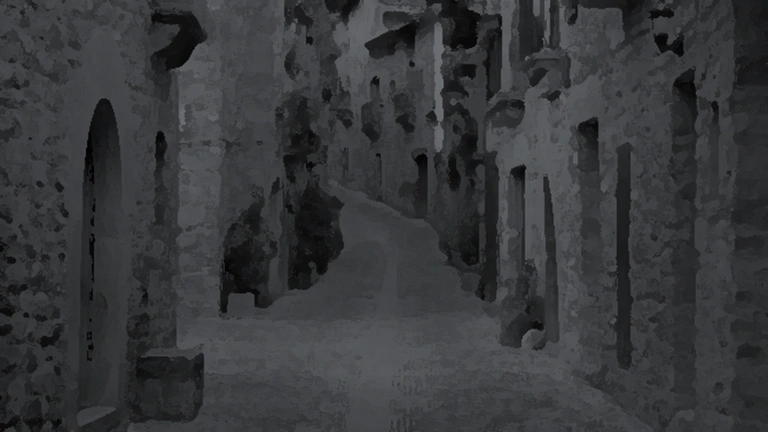
In particular, the FAX allows for the sending of photos, visually documenting each level and providing a visual means to actually show specific environmental features, obstacles, or details that may represent dangerous or safe zones and give other explorers a more precise visual reference. Another feature the device encompasses is the sending of audio messages, which significantly enhances sending short notes or warnings. This could be helpful when particular details must be given and need to be done so without diversion.
Calls are also enabled with the FAX and could be very helpful in real-time communication for the explorers, especially in life-or-death situations or when making their way through more complex levels. The device also enables text messaging, whereby written information-including specific details like coordinates, codes, or instructions on how to proceed at certain areas of the levels-can be shared.
The combination of these functionalities greatly enhances the safety protocols, allowing effective and proper communication between explorers, which in itself is quite important for countering misinformation from other groups and increasing survival rates at most dangerous levels.
FAX-prototipe
The "FAX-Prototype" was conceived by Austin to fulfill an urgent need for efficient communication within the A.A.E.G. organization in the year of 1994. A.A.E.G. at that time needed a machine that could rapidly and efficiently convey important information—messages, images, and voice data. Given the limited technological infrastructure and the urgency to establish internal communication, Austin, a pioneering member of the organization, took the initiative to develop an operational prototype in the absence of formal training in engineering.
Developing the FAX-Prototype was a challenging task - without an understanding of electronic systems or hardware design, Austin stumbled through trial and error, basic electronic components, and readily available consumer technology. The unit used a pressure-sensitive screen that worked with a stylus since capacitive or finger-touch capability was beyond Austin's understanding at that time. The interface was very simplified with few function buttons, such as "Fax Connect", "Mute" or "Power On" and a speaker phone configuration to enable basic audio transmission.
Austin built this prototype from salvaged or re-purposed electronic parts- possibly old digital assistants, early touch-sensitive monitors, and simple microcontrollers. The case was custom-built or taken from available shells, and used stylus input because of the relatively easy application of resistive touch technology.
While rudimentary compared to today's standards, the FAX-Prototype represented a significant step forward in A.A.E.G.'s evolution, representing not merely the genesis of its in-house technological innovation, but Austin's resourcefulness and tenacity despite his lack of experience.
FAX-inepta
The “FAX‑Inepta” represents the next evolutionary step following the original FAX‑Prototype. Building on the rudimentary design, this second version adopts a more conventional office‑style form factor that closely resembles the early commercial fax machines introduced in the 1970s and early 1980s but this one was created in the year of 1996.
The design includes a sturdy desktop casing, an integrated paper feeder, and a fixed physical keypad with multiple function buttons. Internally, the device incorporates an optical scanning module paired with a digital modem capable of transmitting facsimile data using Group 3 standards, including built‑in image compression and error correction—the same techniques that reduced transmission time to under one minute per page. Encyclopedia Britannica
This version retains the concept of stylus-based input solely for editing or annotating documents before transmission—since capacitive touch-screen technology remains beyond the creator’s initial expertise—but otherwise adopts real-world hardware components such as a small thermal or laser-based printer to reproduce incoming faxes.
Functionally, the "FAX‑Inepta" significantly enhances reliability, speed, and usability, marking a key milestone in the transition from makeshift prototype to a more mature, semi-industrial communication device.
FAX-Blue
The "FAX-Blue" was the next major step in developing A.A.E.G.'s communications technology that Austin envisioned in the year of 1998. After the FAX-Inepta's shortcomings were realized, the company required a machine that would not only operate more reliably but would also be capable of processing greater amounts of information with greater speed and stability. To meet this demand, Austin designed the FAX-Blue, a machine that deviated from the primitive improvisations of its predecessors and came with a typical matte blue housing that rendered it more professional and recognizable.
The construction of the FAX-Blue was also a challenging undertaking, as Austin's technical expertise in advanced engineering was still not excellent. But by drawing on lessons obtained from his earlier prototypes, he was able to integrate several technological advancements. The model included an automatic document feeder and a thermal or early dot-matrix printer inside the machine, allowing faster and better-readable reproduction of received messages. The numeric keypad was available on the front panel, along with function keys such as Send, Receive, and Speed Dial, and display status indicators for line activity and power. These additions made the machine much more convenient for day-to-day use in A.A.E.G. operations.
Internally, FAX-Blue employed an optical scanner to read documents and a Group-3-capable modem, which offered higher digital transmission speeds and reduced error-correcting capability. Although Austin retained his stylus port to facilitate manual annotation or correction before sending, finger input was not yet there, as capacitive touch technology remained beyond his technical skills.
Far from being flawless, the FAX-Blue was a definite improvement over A.A.E.G.'s earlier communication systems. It indicated the firm's shift away from experimental improvisation towards semi-professional equipment, as well as Austin's perseverance and step-by-step mastery of technological engineering in the absence of any formal training.
FAX-Maximus
The "FAX-Maximus" was the most ambitious and complicated model of the entire A.A.E.G that was created in the year of 1999. fax family. Designed as the culmination of everything that had preceded it, it brought together the experience of the Prototype, the Inepta, and the Blue into a single highly advanced machine. Unlike its predecessors, which still had the marks of experimentation and limitation, the FAX-Maximus was a full professional-grade machine with state-of-the-art features and a rugged build to be the best communications machine for the company.
The machine featured a solid and roomy case with an integrated automatic feeder capable of handling multiple pages, a high-speed thermal printing mechanism, and an integrated digital display to make settings and transmissions easier than ever before. Its front panel was equipped with a complete numeric keypad, programmable memory slots for speed dialing, and individual buttons for special functions, all of which combined to make the FAX-Maximus the easiest-to-use and most functional model ever produced under Austin's management.
Internally, the product incorporated a high-quality optical scanning system, improved Group-3 digital modem functionality with more efficient compression algorithms, and a strengthened power supply to support around-the-clock operation. It also had more memory to retain several documents, a functionality that enabled it to be very effective for managing high-volume communications in A.A.E.G. In contrast to its predecessors, the FAX-Maximus was a genuine effort at industrial-grade reliability and professional use.
Yet despite all its revolutionary advances, the FAX-Maximus was beset by a deadly design flaw: it was prone to frequent overheating due to inadequate thermal handling in its compact case. Extended operation caused degradation of performance, malfunction, and in some cases, complete system failure. These issues finally prompted A.A.E.G. to discontinue the model, even though it remained the most advanced fax machine Austin had ever made.
The FAX-Maximus was both the high point and the end of A.A.E.G.'s fax development program—a testament to its capabilities and design, but also a testament to the technical hurdles that could not be surmounted in Austin's push for innovation.
FAX-Portable
in the year of 1999 the "FAX-Portable" was A.A.E.G.'s most ambitious leap in its constant pursuit of innovation—a machine that sought to combine portability with the robust communication strength of its predecessors. While all the predecessors such as the Prototype, Inepta, Blue, and Maximus had all been confined to office rooms and desks, the Portable was Austin's dream to provide fax communication anywhere, anytime.
Wrapped in a small, foldable casing in the shape of a tiny computer, the FAX-Portable was small but mighty. It included a full keyboard for input, an expansive digital display to monitor in real-time, and an onboard system that could handle several forms of transmissions. While earlier machines had been strictly confined to documents, the Portable could transmit photographs, written communication, voice calls, and even basic video clips—a communications revolution for the individual.
Internally, the FAX-Portable had a thin-line power-saving modem, extra memory modules for storing contact information and files, and advanced software featuring organizational tools such as a calendar, a note-taker facility, and currency converter facilities. Its paperless format made it radically different from all its predecessors, symbolizing Austin's transition towards real digital communication rather than mechanical copying.
It had its faults, though, for all its pioneering appearance. Its compact hardware limited processing speed, and while it advertised multimedia transmission, quality was often constrained by the technology of the era. It was nonetheless a symbol of A.A.E.G.'s willingness to go beyond boundaries and envision the fax as not just a tool of the office, but as an appliance for the individual.
The FAX-Portable thus marked a turning point in the history of A.A.E.G.'s fax line. It was not a question of power, but of freedom, representing Austin's vision of a world liberated from a desk-bound communication, but one that could keep pace with its user—nested, flexible, and inventive.
Test A1
[ELECTRICAL SOUNDS]
[END TRANSMISSION OF fax-prototipe02]
???:Test A1
???:Who's talking?
Austin:Austin, and you?
Andrew:Andrew
Austin:Okay, this thing works fine!
Andrew:AGH!
Austhin:What's wrong?
Andrew:Ţ̷̪̗͈̺͌̀̂̈́H̴̛̤̬̋̋́̒̋͑̾͝Į̷̻̮̗̪͓̾̓̍̊̓̿̚͝S̸̰̙̫͓̯̬͕̒͒̃͠ ̵̞͔͎͉̺͚̫̲̮̇́͛̈́͛͗͌̂̈́T̸̟͍͖̩̦̰̘͎̈̒̔̂̚͠ͅH̴̭̟̙̙̘̥̘̰͗̔̈Ì̶̱̟̫̤̝͇̟͛̔͝Ņ̴̡̛̣̮͓̠̪̽̓͂̍̓̈́̊͑͝G̸͉̰̘̙̟͍̟͆͑̔̄͗̋̊̓ͅ ̵̹̣̰͚̞͈̖͔͍̰̓̏̈́̉̈́̉̀̑̑̾I̵͉̲̽̅S̷̡͖̯̠̟̦̗̬̪͖̈̊̿̓ ̷͈̄̑̄͒͜O̶̗̠̻͔̔̑̾̔̈́͛ͅN̵̛̩͔̯͍̝͂ ̶͔̓̔́͊F̷̨̼̟͔͓̙͚͚͍̲̋͊͛͗͆͊͐̿̕͝Ĭ̴̳̼̟̬̂̎̈́̈́́͋͂̔͘ͅŘ̵̢̠̯̙̝̣͌̓̂̀̒ͅE̶̝͔͌́̿̋́̒͒͝
Austin:What did you say?
Andrew:D̸̛͎͈͎͇̤̙̍̈́̔̕̚̚͜Ā̷͚̻̓M̸͓̣̖͗̈͠Ņ̶͉̜̼̱̹̯́ͅ ̷̲̤͋̆̽̍͠͠͝D̶̬̼̥̩͖̺̯̗̓̀͒̎̿̊̕ͅA̷͕̣̹͕͓̾͌͒̒̅M̴̡̪͋̈́͗́̈́̚͜͝N̷̰̬͉͓͖͋̈́̾͆͂͋̎̉ͅ ̸̢̛̥͖̆̃͆̎̚͘D̵̩̼̻̜̚Ä̵̡̰̞̼͚̹̫̞́̓̈͆̽͋̓̽́͠M̵̟̹̭̮̤͙̩͍͉̑̅̈́̍̒̋ͅǸ̶̘̙̖̎̉
Austin:Hello?
Andrew:⅃̸̞͗̽́̀̽̐̿͝͝Ǝ̵̣̱̯̘̭̦͚̇I̴̮̒Я̶͕̹͈̤̋̉͛̈́͗̀̌̚͝ᙠ̴̡͈͍̬̖̮̺͖̌̕͠Ǎ̶̳͇͉̗̫̲̪̣̲͝ͅᎮ̴̦̦̾̃͛̔̑͐͒͜, G̸̣̥̃̏̚I̴̱̲̮̿̐̅͛͐͂̍̅̚͝Ṽ̶͉̖̱̖̊͋͆̾͘Ê̸̛̫̦͒́͂̓̕̚͝ ̷̡̤̺̬͍̹͖̱̜͋̒̈̄̕͠M̵̘̼͚̆̉͜É̴̤͠ ̸̛͇̞͎̘͎̏̈́̈͘S̷̢̯̜̼̼̥͉̓̋͌̃̿͘͘͝O̴̗͍͘M̸̹̫͍̗̳͉̓̓͛͠E̶̯̥̾̀͆͊̏̚̚͘͘ ̶̖̳͉̻̽̍͋͂̈́̕͘̕̕Ẃ̴̜̞͉͓̈͋̊̓͋̇͝A̴̢̦̖̜̹̞͕̟͒͂͌̄̽͑̾͘͜T̴̲̹̎͂̅̾Ẹ̶͓̮̯͋R̷̢͒̓̒̎͗͂̂͊͆ ̶̛̦̪̭̥̜͚͊̏͐Ǫ̶̯̘̈́̉̂̎́͌̅̉̚͝R̷̛͕̈́̿͊̈́͐ ̵̛͚̻͓͚̻͙̱̣͑͌̓͐̎̒͘͜͝S̷̞͇̖̻̰̞͔͓̖̰̍̓̉͛̂̅̚Ỏ̶̜̘̩̙̟̀̅́̈́̈́͂̚͜͝M̷͔̦͈̼̗̜̹͙̭̝͆̏͊̉͛̚Ẹ̴́T̷̘̭̭͈̩̬̦̟́̋͒̎̈͊͑͒̈́ͅH̵̛̯͕̤͈͚̖̹̝̼̜̐͊̊͌̊͠I̶̡̯̤̭̽̒͌̈́͝Ǹ̶̺̺̖̤̏G̷̬̦̯̞̩̥͕̒
Austin:Am...
Austin:Dammit, I'm gonna see what's the matter or what happened
Test A2
How does it look?
A.A.E.G. Andrew Austin Explorer Group
𝓢𝓞𝓡𝓡𝓨!, We are not in a position to sell any FAX device at the moment, but, are we excited to see your interest in this new tool. The FAX is very specialized, so each and every little detail must be addressed with the utmost care and attention in order to meet the very unique and specific challenges of Backrooms exploration. We currently refine every little detail so that when it does reach you, you get it in absolutely perfect condition to meet all your needs of exploration and safety. We know it is not easy to wait-especially because you are eager to explore with the added security and communication benefits the FAX will offer. This delay enables us to work more on its performance, its reliability, and overall durability so it truly will become an indispensable part of your journey. We want the FAX to be a tool you can rely on whatever the difficulty of the levels.
We very much appreciate your patience and support for our effort. We are working with incredible speed, and in-depth to a moment when you can place an order for one, some, or however many FAX is necessary for you to power your expeditions. Please keep checking for further updates, and remember: it shall be worth the wait. Thanks for hanging in there with us in this ride!
Austin:Test A2
Austin:OK... Let's see if this time it works
Andrew:Yeah dude, last time that thing set on fire!
Austin:Yeah... I know... Can we proceed to the test?
Andrew:Sure dude
Austin:OK, let's see... I'm going to send you a picture, aight?
Andrew:OK
Austin:
Andrew:What the heck is that
Austin:What do you mean?
Andrew:Yo Gabriel! Come and look at this!
Gabriel:What happened
Andrew:Look at this
Gabriel:What the heck is that
Andrew::That's what I said!
Gabriel:[INAUDIBLE]
Andrew:OK, yo Austin, what's that
Austin:It's the snack stall... :(
Andrew:It doesn't look like the snack stall at all
Austin:I'll try fix it up
Andrew:OK man
Sources
Adapted from the original article, under CC BY-SA 3.0.